Source Compressed Gunpowder Tea for Retail, Cafes, and Gifts
Compare 30 listings for compressed gunpowder tea from Chinese manufacturers. Buyers can evaluate loose tea options, bulk packaging, and customization features to find suitable green tea suppliers for wholesale needs; compare the available evidence and request quotations based on your requirements.
Key considerations
Products List




Comprehensive Sourcing Guide
Compressed Gunpowder Tea Sourcing Guide
Product Scope and Observed Listing Signals
The market for compressed gunpowder tea presents a diverse array of listings, primarily characterized by loose leaf formats rather than strictly compressed blocks, despite the keyword association. Buyers will encounter products labeled as green tea with a distinct fresh, pure, and mellow taste profile, often described as refreshing. The observed product range includes various specialty classifications, such as organic tea and health-focused blends, indicating a broad spectrum of quality tiers available from suppliers. This variety requires careful filtering to distinguish between standard commercial grades and premium offerings suitable for specific retail or industrial applications.
Listing signals reveal significant variability in packaging and origin, with many suppliers based in China, particularly in regions like Zhejiang and Changsha. Packaging options range from bulk bags and cartons to more refined box and gift pack formats, suggesting flexibility in supply chain logistics. The presence of customization options and various model numbers, such as GT, LH, and specific numerical codes like 9375, implies that manufacturers offer tailored solutions. Procurement teams must verify whether the "compressed" aspect refers to the leaf shape or actual block compression, as most observed data points to loose leaf gunpowder tea.
Technical Specifications to Verify
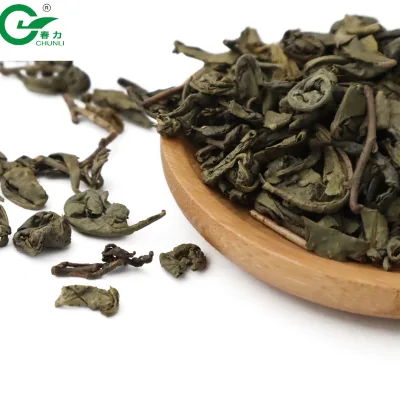
Technical verification begins with confirming the physical form and processing method of the tea leaves. The supplied data indicates that stir-fried processing technology is a common method, which contributes to the characteristic rolled, pellet-like shape of gunpowder tea. Buyers should explicitly verify the tea number, such as 9375 or 9675, as these codes often denote specific leaf grades and quality standards within the industry. Additionally, the absence of additives is a critical specification to confirm, ensuring the product remains a pure agricultural commodity without artificial flavorings or preservatives that could affect regulatory compliance.
Packaging specifications vary widely, with observed standards including 50g/bag, 1kg/bag, and bulk options like 55kg or 25kg bags. It is essential to match the packaging type to the intended distribution channel, whether it be retail sachets, vacuum packs, or industrial bulk sacks. The shelf life is typically listed as five years when stored in dry conditions, a factor that influences inventory management and logistics planning. Buyers must also clarify the exact model codes, such as 3505 or 9575AA, to ensure the received product matches the technical requirements for moisture content and leaf integrity.
Compliance and Safety Documentation
Compliance documentation is paramount for importing tea products, particularly when dealing with international trade regulations. The presence of ISO9001 certification among suppliers indicates a baseline commitment to quality management systems, which buyers should verify through current audit reports. While specific food safety certifications are not explicitly detailed in the observed data, buyers must request evidence of compliance with destination market standards, such as EU grade availability or other regional safety protocols. This due diligence ensures that the tea meets all legal requirements for importation and sale in the target market.
Traceability and origin documentation are also critical components of the compliance framework. The observed origins in China, specifically Zhejiang and Changsha, provide a geographical context that buyers should cross-reference with supply chain transparency requirements. Buyers should ensure that suppliers can provide certificates of origin and detailed batch tracking information. This documentation supports quality control efforts and facilitates rapid response in the event of a recall or quality issue. Verifying these documents early in the sourcing process mitigates regulatory risks and enhances supply chain resilience.
Cost Drivers and Commercial Terms
Cost structures for gunpowder tea are influenced by several factors, including the observed price range of 0.8 to 6000 USD, which reflects significant variation in quality, quantity, and packaging. The minimum order quantity (MOQ) ranges from 1 to 10000 units, allowing for flexibility in initial procurement strategies. Buyers should analyze the cost per unit against the desired packaging format, as bulk packaging typically offers lower per-unit costs compared to retail-ready boxes or gift packs. Understanding these cost drivers helps in negotiating favorable terms and aligning procurement budgets with sales forecasts.
Commercial terms and delivery timelines are key elements in the total cost of ownership. The observed delivery time of 15 days suggests a relatively quick turnaround, which can be advantageous for maintaining lean inventory levels. Payment and delivery terms such as FOB, CFR, and CIF are commonly offered, each carrying different implications for risk and cost allocation. Buyers must carefully evaluate these terms to determine the most cost-effective logistics strategy. Additionally, the availability of samples supports quality verification before committing to large orders, reducing the financial risk associated with initial procurement decisions.
Supplier Qualification and Quality Control
Supplier qualification involves assessing the manufacturer's capability to consistently produce high-quality gunpowder tea. The observed manufacturer, Chunli tea, and other unnamed suppliers should be evaluated based on their production capacity, quality control processes, and customer feedback. Buyers should request detailed information about the manufacturing facility, including hygiene standards and processing equipment. Verifying the supplier's ability to meet specific customization requests, such as unique packaging or blending requirements, is also essential for long-term partnership success.
Quality control measures must be rigorously applied throughout the procurement process. Buyers should implement incoming inspection protocols to verify the tea's sensory attributes, such as its fresh and mellow taste, and physical characteristics. The absence of additives and the specific processing technology should be confirmed through laboratory testing if necessary. Establishing clear quality benchmarks and conducting regular audits of the supplier's operations ensures that the product meets the required standards. This proactive approach to quality control minimizes the risk of receiving substandard goods and maintains brand integrity.
Long-Term Procurement Checks
Long-term procurement success depends on continuous monitoring of supplier performance and market dynamics. Buyers should establish key performance indicators (KPIs) to track delivery reliability, product consistency, and responsiveness to issues. Regular reviews of these metrics help identify potential problems early and facilitate corrective actions. Additionally, staying informed about changes in tea production trends, regulatory updates, and consumer preferences allows buyers to adapt their sourcing strategies effectively. This ongoing vigilance ensures that the supply chain remains robust and competitive over time.
Building a diversified supplier base is a critical strategy for mitigating risk. Relying on a single source for gunpowder tea can expose the business to disruptions caused by weather, political instability, or production issues. By engaging with multiple suppliers across different regions, buyers can ensure continuity of supply and leverage competition to maintain favorable pricing. Furthermore, fostering strong relationships with suppliers through transparent communication and fair business practices encourages collaboration and innovation. This strategic approach to supplier management supports sustainable growth and operational stability in the long run.
FAQs
What packaging options are available for compressed gunpowder tea?
Packaging includes bulk bags, cartons, boxes, and vacuum packs. Specific options range from 50g bags to 55kg bulk bags. Customization is available to meet buyer needs. Standard packaging often uses PP and PE bags for protection during shipping.
Can I get compressed gunpowder tea with ISO9001 certification?
Yes, ISO9001 certification is available for this product. The tea is processed using stir-fried technology and contains no additives. This ensures quality standards are met for international buyers seeking certified green tea suppliers in China.
How long is the delivery time for compressed gunpowder tea orders?
The standard delivery time is 15 days from order confirmation. Payment terms include FOB, CFR, and CIF options. Buyers should note that lead times may vary based on order volume and specific customization requirements requested.
What is the shelf life of compressed gunpowder tea?
The shelf life is five years when stored in dry conditions. This green tea maintains a fresh, pure, and mellow taste over time. Proper storage is essential to preserve the quality and flavor profile of the product.
Which specifications are available for compressed gunpowder tea models?
Available models include GT, 3505, LH, and 9375. Specifications range from 25g to 5kg per unit. Customized standards are also supported. Buyers can select from various weights and packaging types to suit their distribution needs.
Can compressed gunpowder tea be sourced from Zhejiang, China?
Yes, the product originates from Zhejiang, specifically Shengzhou. Other origins include Changsha and general China locations. Buyers can source organic and health tea varieties directly from these regions with verified supplier capabilities.
What is the minimum order quantity for compressed gunpowder tea?
The minimum order quantity ranges from 1 to 10,000 units depending on the supplier. Bulk packaging options allow for large volume orders. Buyers should check specific supplier terms as MOQs vary by product model and packaging type.